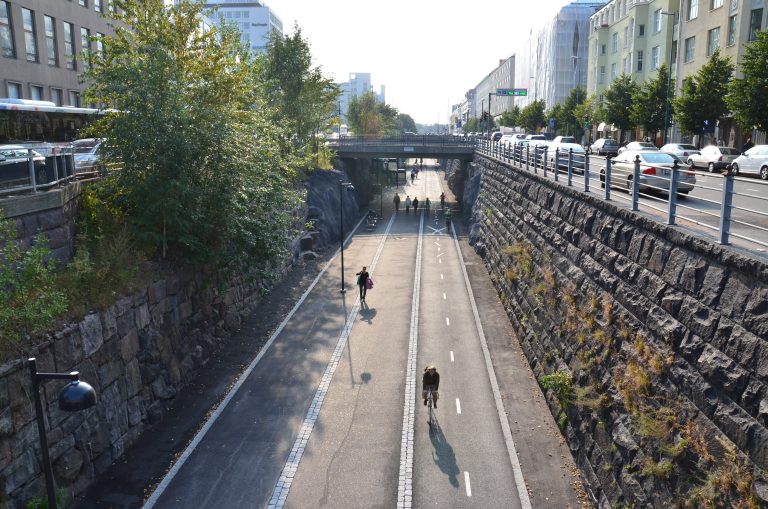
As cities change, parts of them become obsolete, demolished, and replaced with new ones. Between city structures, there remain spaces that we do not necessarily consider as actual places. Often nature finds its way into these spaces, and sometimes self-generated urban culture also emerges. Developing the city while not forgetting the value of these places, and doing so sustainably and flexibly, requires an understanding of urban nature and a change in traditional ways of thinking.
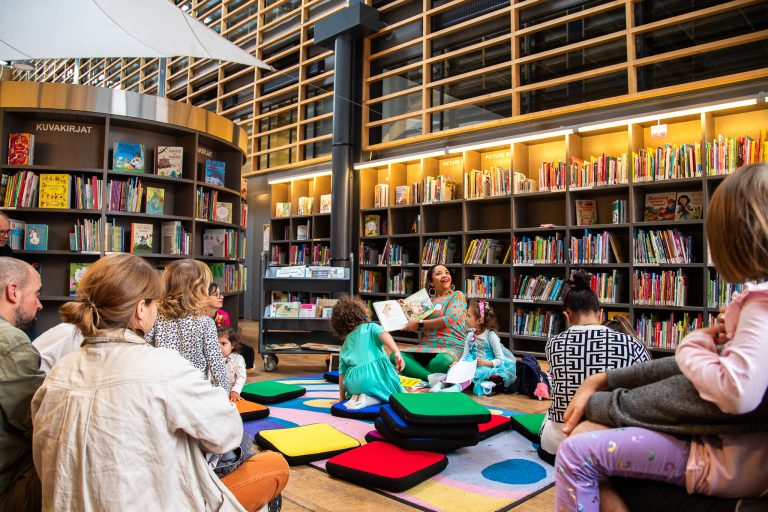
For many migrant women in the Helsinki Metropolitan Region, belonging does not emerge primarily through workplaces or official programs. Instead, it is shaped through everyday life in public spaces where they feel safe and recognized. In Finland, one such space stands out: the public library. Through everyday encounters in libraries, women build friendships, learn languages, raise their children, and gradually find their place in the city.
From quiet book halls to buzzing community hubs, libraries across the Nordic countries — Finland, Norway, and Sweden — are reinventing themselves as vibrant “urban living rooms.” These spaces spark creativity, foster learning, and bring communities together in new ways. Beyond reading, they are places to meet, collaborate, and connect across generations and cultures. This article explores how Nordic libraries are redefining the social and civic heart of the city.
Instead of clearly defined development projects, urban design should entail more continuous processes without predetermined end results. Ecosystem thinking offers guidelines for changing the focus.
How could the design professionals be better involved in resolving increasing environmental crises and reducing the negative impact of construction on the environment? The concept of posthumanism offers new viewpoints for the organisation of the field.